Image above is AI generated. The ideas below are human generated. Prefer to listen? Since regeneratively homesteading in 2022 I have observed that not everything…
Author: Vanessa Greenwood, Ph.D.
Professor at Montclair State University, New Jersey, USA | Research interests include media literacy, communication, education, and technology.
Why we fall for fake health information – and how it spreads faster than facts
In today’s digital world, people routinely turn to the internet for health or medical information. In addition to actively searching online, they often come across health-related information on social media or receive it through emails or messages from family or friends. It can be tempting to share such messages with loved ones – often with the best of intentions.
Health Media Literacy is Core Curriculum
Navigating the current pandemic requires that young people acquire an increasingly complex set of skills, such as understanding statistical data, evaluating the credibility and truthfulness of health information, analyzing the risks and benefits of a particular treatment or vaccine, and interpreting test results. An essential skill in 2021 is health media literacy.
Health Media Literacy is an Essential 21st Century Skill
We need health media literacy as an intentional, systemic, and systematic curriculum and pedagogy in our nation’s P-16 educational system.
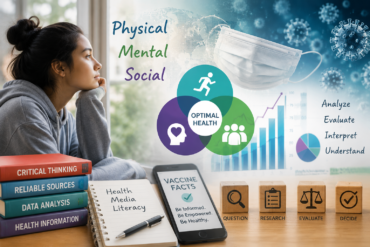
Health Media Literacy is a 21st Century Essential Skill
Optimal health is not just the absence of illness or disease; it is a state of complete physical, mental, and social well-being. I can’t think of anything more challenging right now, as the COVID-19 pandemic rages on. While we may be locked down temporarily, we must not lock ourselves in to the status quo of formalized schooling—including what constitutes core curriculum. Disparate times call for disparate measures, so to speak.
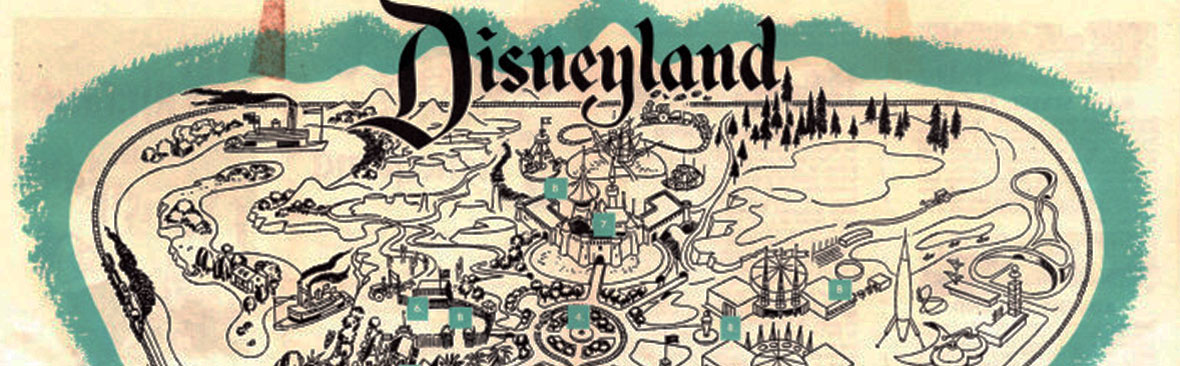
Navigating Media Literacy Through Disneyland [Author Interview]
In August 2020 I released my 3rd book, Navigating Media Literacy: A Pedagogical Tour of Disneyland (Myers Education Press). My C+MRC intern interviewed me about what makes…
Reimagining Post-Pandemic Schooling
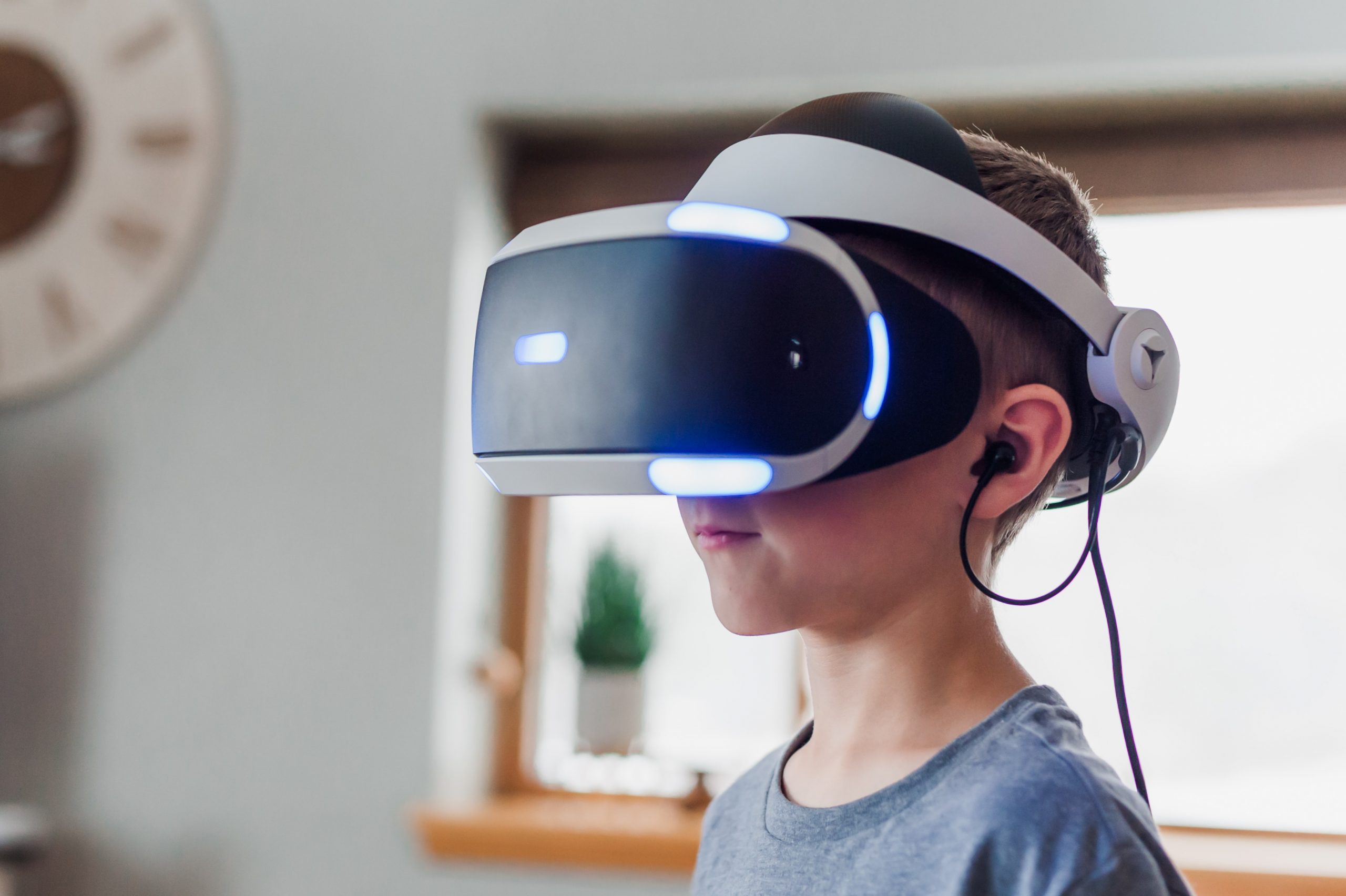
by Dr. Vanessa E. Greenwood, C+MRC Founder & Director The most amazing moment of virtual reality is when you leave it, not when you’re in…
Reimagining Post-Pandemic Schooling
The impact of virtual schooling en masse will not be felt until we leave it. Like virtual reality we will not be able to truly understand learning during the pandemic until we exit our educational lockdown and return to the brick-and-mortar classroom. But it remains to be seen if and when we will ever fully return.
In this media literacy thought-piece, Dr. Vanessa E. Greenwood contemplates the Oculus Rift as an allegory for reimagining post-pandemic schooling in the United States.
[Full PDF Download Available]
What is Media Literacy, Anyway?
Media literacy has evolved to mean different things to different people. In its simplest form, it is a critical habit of mind or a way of approaching any mediated experience to discern how it shapes human understanding.

Let’s PLAY Checkers
Rather than simply disregard information as “fake news” media literate individuals are empowered as “critical thinkers and makers, effective communicators and active citizens.” Translation: They actively engage with the media and information ecosystem by adopting the mantra: When in doubt, check it out. Folks at the COMM+MEDIA Research Collaboratory have curated a short list of fact checking web sites that will help kids and adults alike locate truth in popular news stories in the areas of politics, economics, science, and health. A game of fact checkers, anyone?