
Prefer to listen? I took this photograph while browsing the aisles of a charming upscale market in northern New Jersey. Packages of asparagus, rainbow carrots,…
Tag: media literacy

Media Permaculture, Politics, and Bittersweet
Image above is AI generated. The ideas below are human generated. Prefer to listen? Since regeneratively homesteading in 2022 I have observed that not everything…

Why we fall for fake health information – and how it spreads faster than facts
In today’s digital world, people routinely turn to the internet for health or medical information. In addition to actively searching online, they often come across health-related information on social media or receive it through emails or messages from family or friends. It can be tempting to share such messages with loved ones – often with the best of intentions.
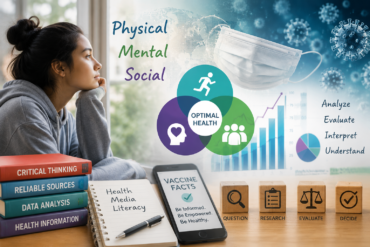
Health Media Literacy is a 21st Century Essential Skill
Optimal health is not just the absence of illness or disease; it is a state of complete physical, mental, and social well-being. I can’t think of anything more challenging right now, as the COVID-19 pandemic rages on. While we may be locked down temporarily, we must not lock ourselves in to the status quo of formalized schooling—including what constitutes core curriculum. Disparate times call for disparate measures, so to speak.
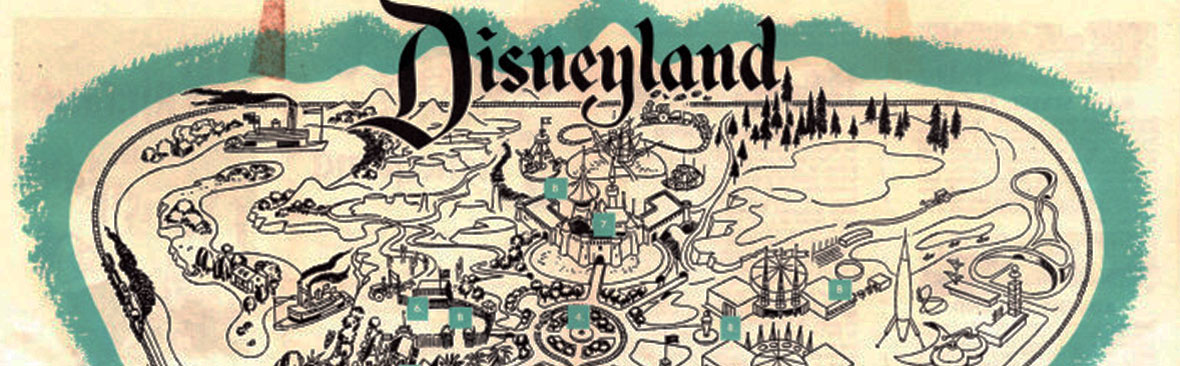
Navigating Media Literacy Through Disneyland [Author Interview]
In August 2020 I released my 3rd book, Navigating Media Literacy: A Pedagogical Tour of Disneyland (Myers Education Press). My C+MRC intern interviewed me about what makes…
What is Media Literacy, Anyway?
Media literacy has evolved to mean different things to different people. In its simplest form, it is a critical habit of mind or a way of approaching any mediated experience to discern how it shapes human understanding.

Let’s PLAY Checkers
Rather than simply disregard information as “fake news” media literate individuals are empowered as “critical thinkers and makers, effective communicators and active citizens.” Translation: They actively engage with the media and information ecosystem by adopting the mantra: When in doubt, check it out. Folks at the COMM+MEDIA Research Collaboratory have curated a short list of fact checking web sites that will help kids and adults alike locate truth in popular news stories in the areas of politics, economics, science, and health. A game of fact checkers, anyone?
Doing Health Media Literacy

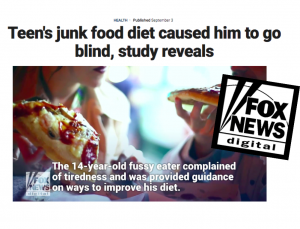
“Teen’s junk food diet caused boy to go blind.” “Even one diet soda a day may triple your risk for developing dementia.” “Dark chocolate may help prevent some forms of cancer.” These are just a few of the health news headlines (or click bait?) that we consume on a daily basis. But they rarely reflect the actual or nuanced research findings.
Indeed, health news reporters and editors must exercise precision and consideration of public interest when constructing news headlines. Yet, too frequently they (and we) fall into the fallacy of equating correlation with causation. A deeper dive into the first news story above (“Teen’s junk food diet caused boy to go blind”) uncovers the subtle yet distinct difference between “causing blindness” (the news headline) and “can lead to blindness” (language from the actual study). Additionally, these do not equate to “will lead to blindness.”
But health news reporters are not entirely at fault here. The burden is also on the shoulders of those of us who conduct research. In this case, the study is published in the Annals of Internal Medicine and titled: “Blindness Caused by a Junk Food Diet.” The researchers state as their objective “To alert clinicians of the visual complications of a diet restricted to junk food.” Which begs the question, “Is blindness the same as visual complication?” And were the pre-existing vitamin deficiencies in the 14-year-old patient entirely the result of consuming junk food or were there other health factors involved?
The nature of empirical research is complex in terms of presenting findings and then interpreting the significance of those findings. If the researchers themselves are nuanced (or unclear) in the findings and/or the implications of those research findings, then we can’t expect fidelity or additional truth when the research is translated into broadcast media messages for mass public consumption. Or can we? Read more
Health Media Literacy
“Teen’s junk food diet caused boy to go blind.” “Even one diet soda a day may triple your risk for developing dementia.” “Dark chocolate may help prevent some forms of cancer.” These are just a few of the health news headlines (or click bait?) that we consume on a daily basis. But they rarely reflect the actual or nuanced research findings.
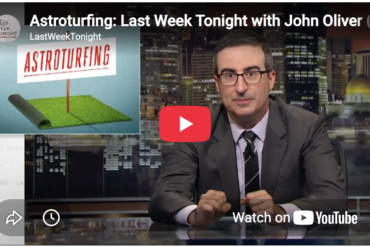
Exposing Astroturfing As Only John Oliver Can
Astroturfing is the deceptive practice of presenting an orchestrated public relations or marketing campaign under the guise of unsolicited comments from members of the public. The term originated from the artificial grass astroturf applied to an artificial grass-roots campaign.
Astroturfing is rampant across industries that are inextricably connected to health: Food, beverages, climate, and safety, just to name a few. Oliver humorously calls out [click title to read more]