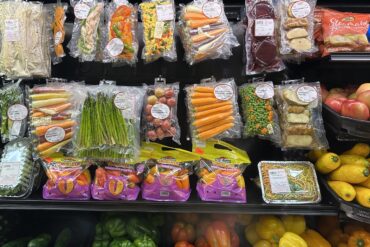
Prefer to listen? I took this photograph while browsing the aisles of a charming upscale market in northern New Jersey. Packages of asparagus, rainbow carrots,…
Tag: health literacy

Why we fall for fake health information – and how it spreads faster than facts
In today’s digital world, people routinely turn to the internet for health or medical information. In addition to actively searching online, they often come across health-related information on social media or receive it through emails or messages from family or friends. It can be tempting to share such messages with loved ones – often with the best of intentions.
Doing Health Media Literacy

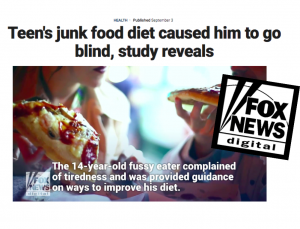
“Teen’s junk food diet caused boy to go blind.” “Even one diet soda a day may triple your risk for developing dementia.” “Dark chocolate may help prevent some forms of cancer.” These are just a few of the health news headlines (or click bait?) that we consume on a daily basis. But they rarely reflect the actual or nuanced research findings.
Indeed, health news reporters and editors must exercise precision and consideration of public interest when constructing news headlines. Yet, too frequently they (and we) fall into the fallacy of equating correlation with causation. A deeper dive into the first news story above (“Teen’s junk food diet caused boy to go blind”) uncovers the subtle yet distinct difference between “causing blindness” (the news headline) and “can lead to blindness” (language from the actual study). Additionally, these do not equate to “will lead to blindness.”
But health news reporters are not entirely at fault here. The burden is also on the shoulders of those of us who conduct research. In this case, the study is published in the Annals of Internal Medicine and titled: “Blindness Caused by a Junk Food Diet.” The researchers state as their objective “To alert clinicians of the visual complications of a diet restricted to junk food.” Which begs the question, “Is blindness the same as visual complication?” And were the pre-existing vitamin deficiencies in the 14-year-old patient entirely the result of consuming junk food or were there other health factors involved?
The nature of empirical research is complex in terms of presenting findings and then interpreting the significance of those findings. If the researchers themselves are nuanced (or unclear) in the findings and/or the implications of those research findings, then we can’t expect fidelity or additional truth when the research is translated into broadcast media messages for mass public consumption. Or can we? Read more
Health Media Literacy
“Teen’s junk food diet caused boy to go blind.” “Even one diet soda a day may triple your risk for developing dementia.” “Dark chocolate may help prevent some forms of cancer.” These are just a few of the health news headlines (or click bait?) that we consume on a daily basis. But they rarely reflect the actual or nuanced research findings.
Exposing Astroturfing As Only John Oliver Can
Astroturfing is the deceptive practice of presenting an orchestrated public relations or marketing campaign under the guise of unsolicited comments from members of the public. The term originated from the artificial grass astroturf applied to an artificial grass-roots campaign.
Astroturfing is rampant across industries that are inextricably connected to health: Food, beverages, climate, and safety, just to name a few. Oliver humorously calls out [click title to read more]
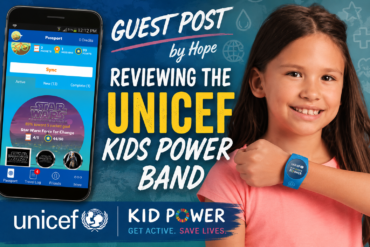
Feeding Kids—One Step at a Time
This is a guest post by Hope Green. She is 9-years-old and in 4th grade. Her hobbies are DIY/crafting, Suzuki piano, song-writing, and writing fiction. The UNICEF Kid Power Band is technically a “fit bit” for kids. It’s a pedometer that tracks your steps, tells the time, and turns exercise into “lifesaving nutrition that UNICEF delivers to severely malnourished children around the world.” [click title to read more]
Top Reason Why People Die Early, In Each Country
This 3-minute video is an interesting conversation-starter about causes of death, by country. Not only does it call attention to the diverse cultural values and threats, but it also scientifically and mathematically suggests that where you are born on the planet is truly a life and death matter. It also sparks discussion about global health and social justice.
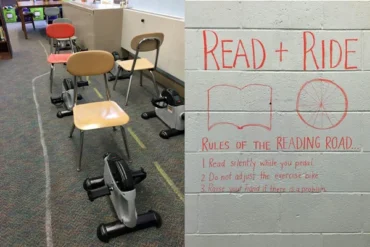
Reading & Riding—a Really Good Idea
The “Read & Ride” program in Ward Elementary School in Winston-Salem, North Carolina is so simple, it is simply brilliant. This NBC Today Show segment (no longer available) frames it as a way for educators to solve the (classroom management) problem of “fidgety kids.” However, the power of reading while riding (on donated stationary bikes) goes well beyond addressing classroom management issues. It promotes “action-based learning” which feeds the body and the mind. No bikes? No problem. Schools around the country are using bouncy balls, standing desks, bungee cords—anything to provide a vehicle through which students can “expel energy.”
In the Know About H20
The Story of Stuff project team is known for their creativity and critical consumer and environmental activism in partnership with empowered marketer Free Range Studios….
Exercise Your Visual Literacy Skills
Media literacy is key to health literacy. But what does media literacy look like in everyday life? Here is one simple yet elegant example of…