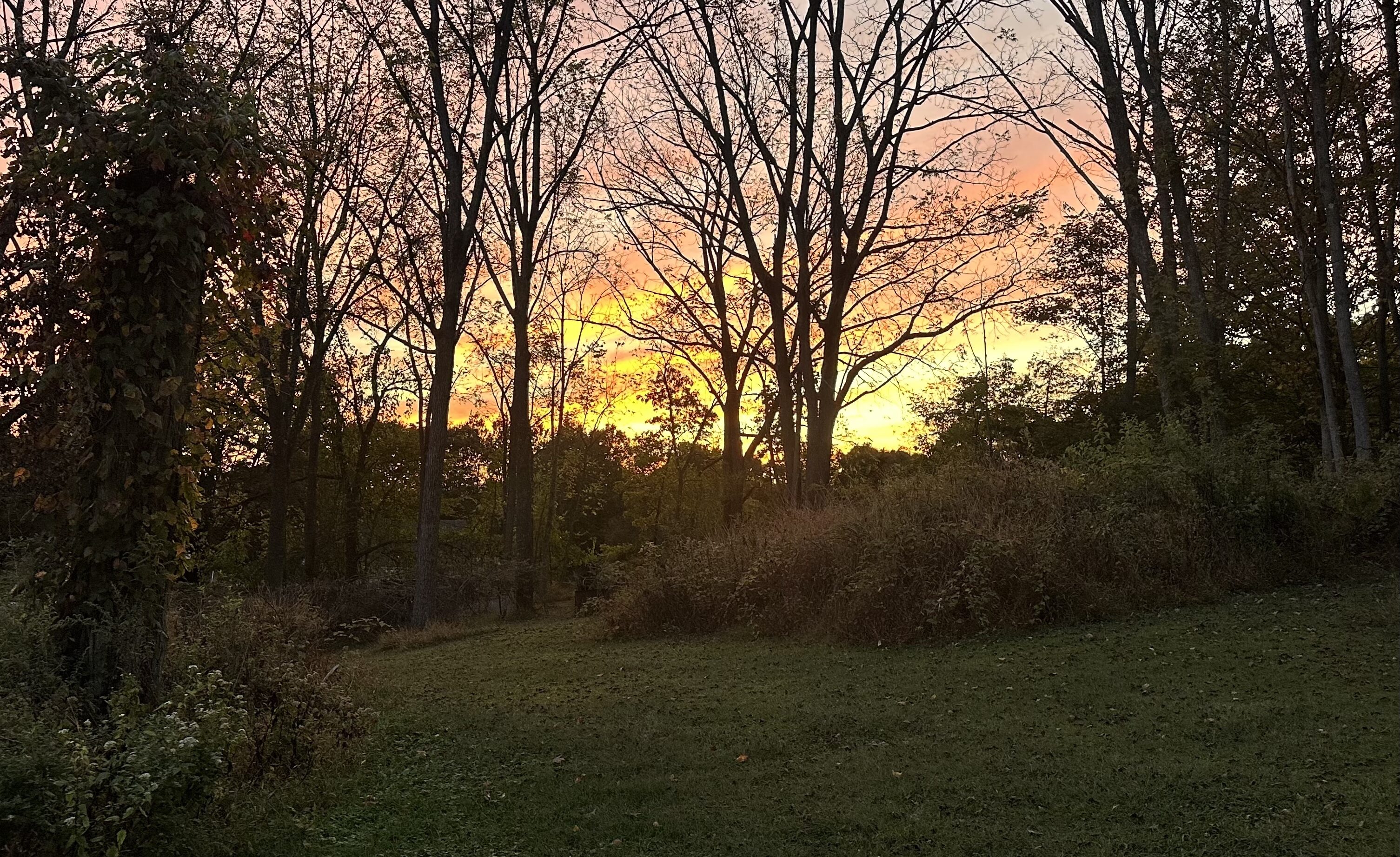
And lo, the Google calendar began to fill.
For two glorious months, those little white squares had mostly belonged to me. Then August arrived (as August always does) bearing meeting invitations, Canvas notifications, deadlines, reminders, and the first faint rumblings of administrivia. Alas, summer break is over.

I realize that lamenting the end of a two-month summer break is unlikely to generate much sympathy outside academia. Fair enough. This is my twenty-fifth year at Montclair State University and my thirtieth year teaching in higher education. I know perfectly well how peculiar the academic calendar looks to the rest of the working world.
To clarify: I am not lamenting the end of vacation. Nor am I lamenting the return of my students. I am looking forward to them. The classroom has always been the part of academic life that makes much of the surrounding machinery worthwhile. Not because I have some great passion for standing in front of a room and lecturing (that’s not my pedagogical style), but because teaching puts me in a room with interesting young people who give me new things to think about.
What I am lamenting is the end of unpromised time.
I have jokingly referred to this summer as my sabbatical, although it wasn’t one. Nobody granted me leave. Nobody funded it. I am simply on a ten-month employment contract. And for two months the university has considerably fewer, if any, claims on me. Not that I actually rested.
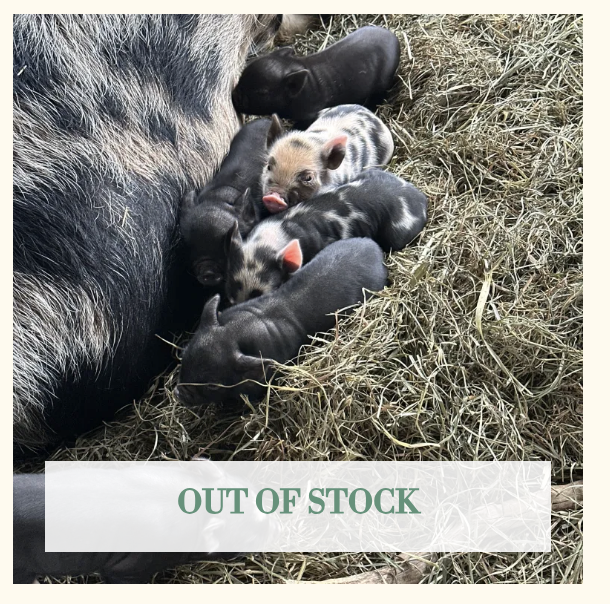
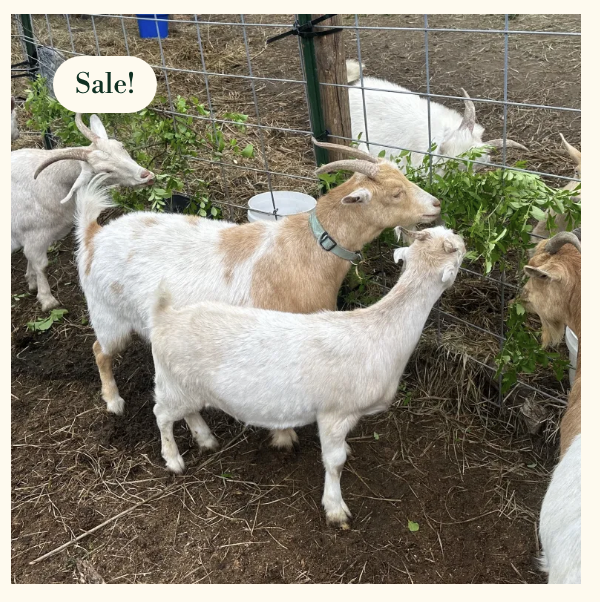
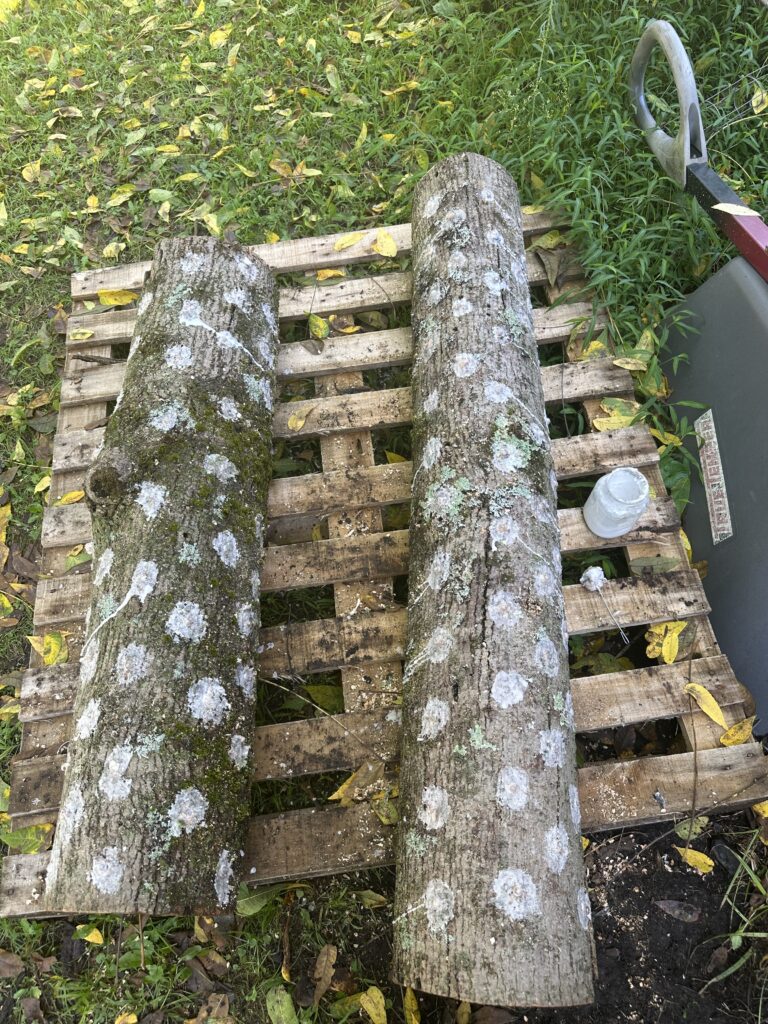
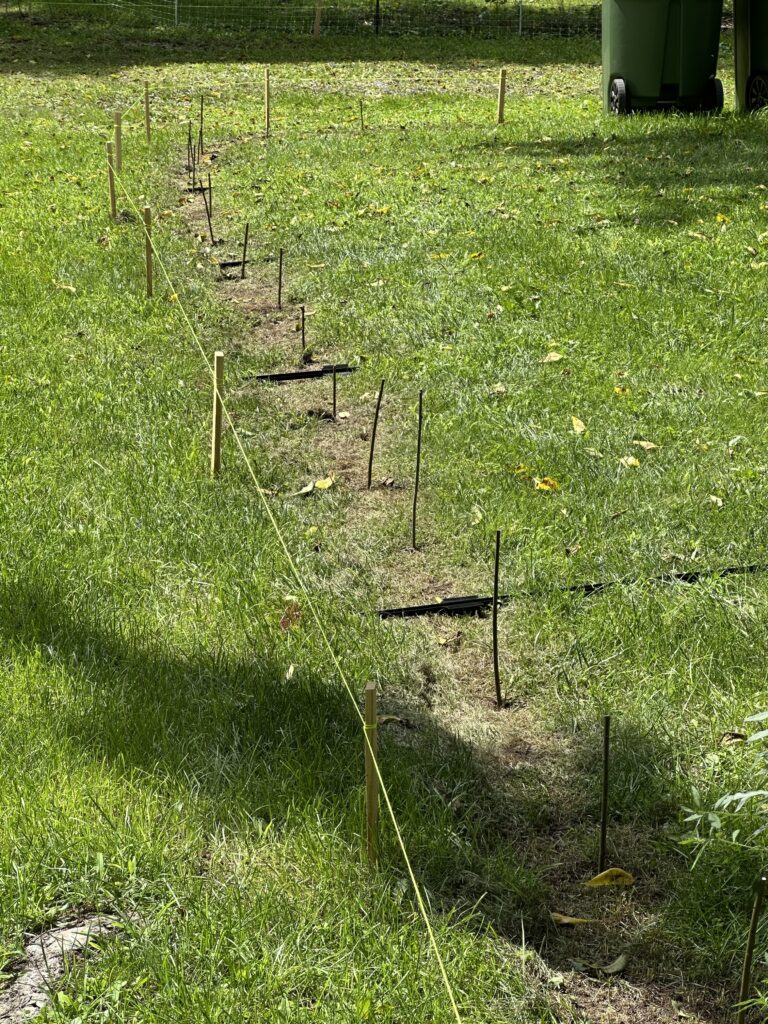
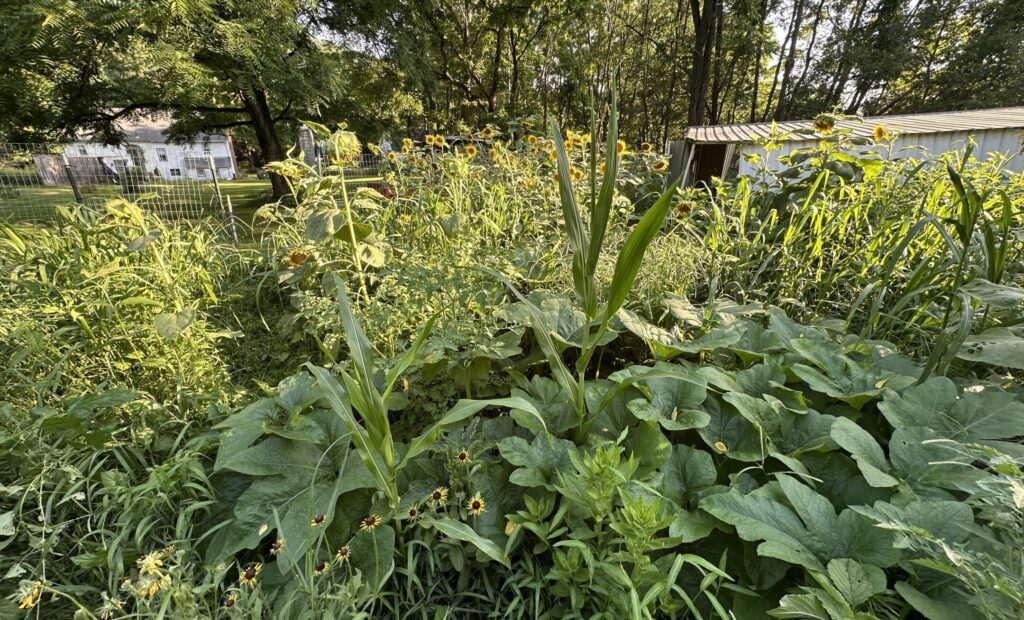
This summer I sold or rehomed nine of the ten piglets I bred. I sold five of my eleven goats—an undertaking that introduced me to some genuinely lovely people (and several others who made me wonder whether Facebook Marketplace should require references. I planted what will emerge next year as a living willow hedge around my property. I watched an accidental garden erupt where no sensible garden should have been (in the pig pen). After several storms brought down trees, I reclaimed the wood and inoculated logs with mushroom spores. I baked and sold food from my cottage kitchen.
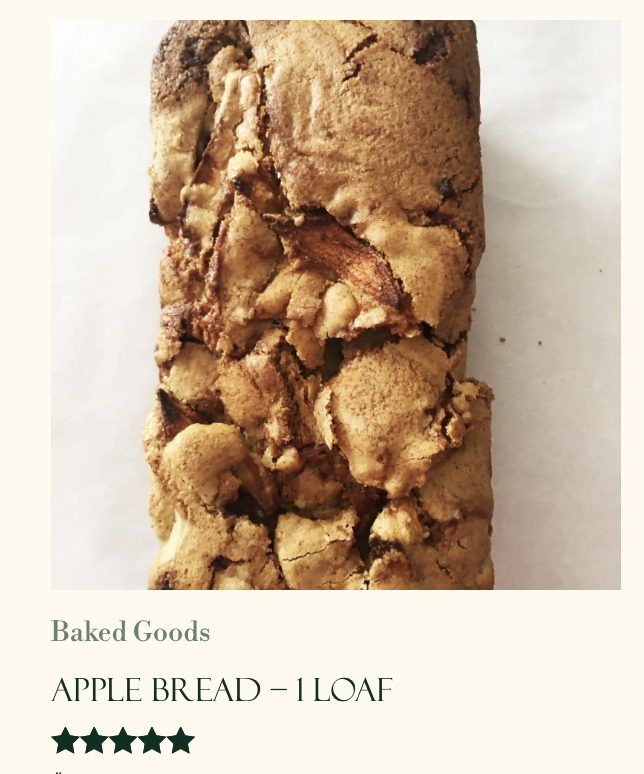
I also worked on a family-history cookbook that I hope to publish in time to gift my four adult children at the holidays. It began as a collection of recipes and, predictably, became something much larger: stories, photographs, memories, and questions about people who are no longer here to answer them. I realize someday I will fall into that category. But at least my children will have Grandma Jimmie’s apple bread recipe.
And this summer I ushered the last of my four children off to college. She is beginning her first year at the same university where I am beginning my twenty-fifth. There is something almost offensively symmetrical about that.

For most of my adult life, my days have been organized around two calendars: my children’s and the university’s. For years they overlapped so completely that I rarely thought about where one ended and the other began. This fall, for the first time, only one of those calendars is restarting. My youngest arrives on campus. I return to it. We are both beginning something, although I am not entirely sure what mine is.
To be fair, I wasn’t entirely off the academic clock this summer. I evaluated promotion dossiers for colleagues at other universities. It was unpaid work, but I consider it part of my professional obligation at this stage of my career. Somebody helped me climb the academic ladder. Now that I am at the top, I am obliged to reach down. So I worked. Quite a lot this summer, actually. The difference was that much more of my time remained unpromised until I lived it.
I did not become a professor because I loved teaching or thought I was good at it. I became a professor because I love to learn. Teaching was the astonishing discovery that someone might actually pay me to keep learning. And for thirty years, that bargain has worked remarkably well. But it is still a bargain.
Academic freedom gives me considerable autonomy. Rank and experience have also taught me which institutional demands deserve my attention and which can safely be allowed to die quietly in my inbox. But autonomy does not erase obligation. When I am under contract, the university has a legitimate claim on portions of my time and attention. And I made that promise willingly.
At 11:00 on a Friday morning, students will be sitting in a classroom waiting for me. I cannot wake up that morning and decide that I have suddenly become fascinated by willow propagation and would prefer to spend the day planting cuttings. Well, technically I can. There would simply be consequences. The point is: My earlier self has already spoken for my Friday morning.
A tree falls (what can I build with it?). Piglets need homes (who knew selling pigs would require so much knowledge of both animal husbandry and human behavior?). A few plants appear unexpectedly (what are they? why are they thriving there? what happens if I leave them alone?). A recipe raises a question about my grandmother. One question becomes three. Three become an afternoon. For two months, more of my time remained unpromised long enough for the day to acquire its shape as I inhabited it.
There were no learning objectives for any of this. No rubric. No assessment. No discussion board. And yet I learned an astonishing amount. My summer had no syllabus, but it may have been one of the richest courses I have taken in years. This is the irony I keep returning to as I begin Year Thirty in the Academy: education and learning are not synonymous.
Formal education necessarily formalizes learning. We divide it into semesters, courses, credit hours, modules, outcomes, assignments, assessments, and deadlines. We decide in August what students should know in December and construct an elaborate temporal apparatus intended to get everyone there together. Some of that structure is necessary. Much of it is useful.
But learning itself tends to wander. It doubles back. It follows questions nobody thought to put on the syllabus. It spends three hours on something that turns out to be useless. It abandons one question because another suddenly seems more interesting. Sometimes it produces something. Sometimes it doesn’t. Most inconveniently, learning often refuses to arrive where we told it to, when we told it to.
There is a temptation to defend my summer by pointing to how productive I was. Look! Piglets rehomed. Goats sold. Hedge planted. Shelters built. Baked goods sold. Cookbook nearly finished. Promotion dossiers reviewed. I could establish outcomes. Identify measures. Perhaps develop a rubric for successful summer freedom. Heaven forbid.
Productivity did not have to be the point. The living hedge does not need to become scholarship. The cookbook does not need to become a publication line on my CV. The pigs certainly do not need learning outcomes. Sometimes a life can simply be lived attentively.
Thirty years into this work, I am aware that I have entered a different professional season. Academic careers have their own assumptions about what comes next. We advance by accumulating titles and, often, by moving farther from classrooms and closer to meetings about classrooms. There is nothing wrong with that path. But I’ve been there and done that. At this point, I am less interested in advancing than in wandering. Like my goats and pigs, I prefer to behave badly—to stray from the prescribed path, investigate whatever looks interesting, and occasionally end up somewhere nobody intended me to go. That is not particularly useful in administration. Free-ranging minds rarely stick to the agenda.
I don’t want to stop teaching. The classroom remains one of the places where I get to learn. Students arrive with experiences I don’t have, questions I haven’t anticipated, and ways of seeing the world that regularly disturb conclusions I had begun to find comfortable. I don’t want to advance beyond the classroom. I want to keep becoming more interesting inside it. What I find myself wanting now is not another rung on an organizational ladder but more room for creativity: to write, make, experiment, follow ideas before I know where they lead, and bring some of what I find back into the classroom.
So maybe year thirty is not an experiment in making fewer promises (I have made some good promises).
Students will arrive. Courses will begin. Colleagues will need things from me. Monday, Wednesday, and Friday mornings have already been spoken for. I intend to keep the promises I have made.
But I also intend to leave something unpromised.
I don’t know exactly what that will be.
That’s the point.
A good life requires promises.
But it also requires leaving something unpromised.