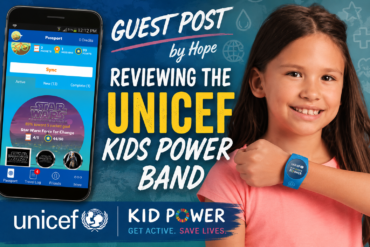
This is a guest post by Hope Green. She is 9-years-old and in 4th grade. Her hobbies are DIY/crafting, Suzuki piano, song-writing, and writing fiction. The UNICEF Kid Power Band is technically a “fit bit” for kids. It’s a pedometer that tracks your steps, tells the time, and turns exercise into “lifesaving nutrition that UNICEF delivers to severely malnourished children around the world.” [click title to read more]
Author: Vanessa Greenwood, Ph.D.
Professor at Montclair State University, New Jersey, USA | Research interests include media literacy, communication, education, and technology.
Food Media Literacy Course
New course elective offered Fall 2017 semester in the School of Communication and Media at Montclair State University. Description: Food literacy requires much more than accruing facts or deciphering nutrition labels. Humans must actively engage across a wide variety of communication contexts and media platforms. Students in this course will develop and apply food media literacy skills to analyze, evaluate, create, and circulate knowledge about the histories, cultures, economies, and politics of food in the United States. Students will demonstrate their understanding of media languages, messages, audiences, and ownership through individualized and cross-platform media productions.
Media Literacy and Politics
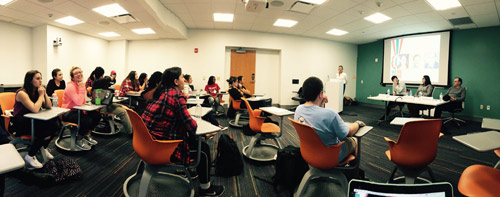
On November 3, 2016 I was honored to moderate a We The Voters “political party” for undergraduate students in the School of Communication and Media…
Food for thought . . . literally
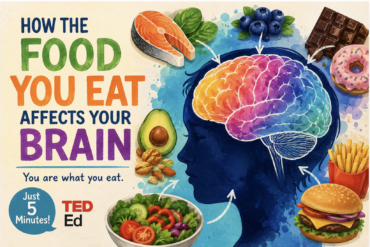
If you have just 5 minutes this summer, watching this video by TED-ucator Mia Nacamulli s time well spent. “How the Food You Eat Affects Your Brain” is brilliantly animated and incisive in its information about that old adage, “you are what you eat.” The short video illustrates the direct and long-lasting effect of food on the most powerful organ in your body: your brain.
Top Reason Why People Die Early, In Each Country
This 3-minute video is an interesting conversation-starter about causes of death, by country. Not only does it call attention to the diverse cultural values and threats, but it also scientifically and mathematically suggests that where you are born on the planet is truly a life and death matter. It also sparks discussion about global health and social justice.
Whole Curriculum Development Model
This is a presentation given by Vanessa Domine (now Greenwood) at the 2016 Society for Public Health Education (SOPHE) Conference on April 1st. The title is, “A Whole Curriculum Development Model for Critical Media Health Literacy Among Adolescents” as part of the Session “Health Literacy: Communicating and Collaborating for Better Understanding.” Audio stream and supporting documents are located below the presentation.
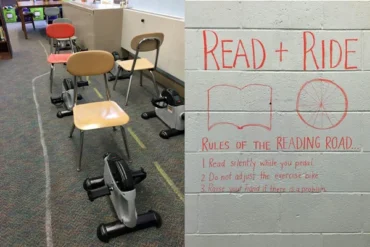
Reading & Riding—a Really Good Idea
The “Read & Ride” program in Ward Elementary School in Winston-Salem, North Carolina is so simple, it is simply brilliant. This NBC Today Show segment (no longer available) frames it as a way for educators to solve the (classroom management) problem of “fidgety kids.” However, the power of reading while riding (on donated stationary bikes) goes well beyond addressing classroom management issues. It promotes “action-based learning” which feeds the body and the mind. No bikes? No problem. Schools around the country are using bouncy balls, standing desks, bungee cords—anything to provide a vehicle through which students can “expel energy.”
In the Know About H20
The Story of Stuff project team is known for their creativity and critical consumer and environmental activism in partnership with empowered marketer Free Range Studios….
Exercise Your Visual Literacy Skills
Media literacy is key to health literacy. But what does media literacy look like in everyday life? Here is one simple yet elegant example of…
Online Safety Q&A
This is a transcript of a 2012 interview of Vanessa Domine by the editors of Weekly Reader. You can check out their article, “Out of…