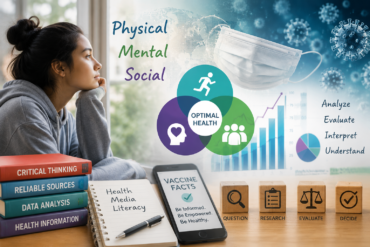
Optimal health is not just the absence of illness or disease; it is a state of complete physical, mental, and social well-being. I can’t think of anything more challenging right now, as the COVID-19 pandemic rages on. While we may be locked down temporarily, we must not lock ourselves in to the status quo of formalized schooling—including what constitutes core curriculum. Disparate times call for disparate measures, so to speak.
Tag: critical media health literacy
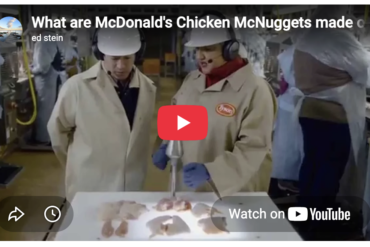
McNormalizing the McNugget
Food media literacy is essential to health. Achieving both requires not just unpacking the ingredients of foods but also decoding how the messages about them are packaged and delivered for ideological consumption. McDonald’s is masterful at (among other things) feeding public demand for “behind the scenes” information to dispel rumors about their food products while at the same time downplaying their potential hazards [click title to read more]
Whole Curriculum Development Model
This is a presentation given by Vanessa Domine (now Greenwood) at the 2016 Society for Public Health Education (SOPHE) Conference on April 1st. The title is, “A Whole Curriculum Development Model for Critical Media Health Literacy Among Adolescents” as part of the Session “Health Literacy: Communicating and Collaborating for Better Understanding.” Audio stream and supporting documents are located below the presentation.
Join the very first National Media Literacy Week
 Here is yet another opportunity to bring critical media health literacy to the forefront of education—both in and out of schools. Healthy Teens, Healthy Schools is participating in the inaugural National Media Literacy Week (Nov 2-6) by conducting health literacy education workshops. Here is the announcement from NAMLE: Read more
The Mediatrician Can Help
 The Center on Media and Child Health (CMCH) was founded in 2003 by Michael Rich— a pediatrician, father, and ex Hollywood filmmaker. Located at Boston Children’s Hospital, CMCH is an academic research center with the mission “to educate and empower children and those who care for them to create and consume media in ways that optimize children’s health and development.” It is largely funded through grants and philanthropy and their projects fall into three categories: Read more
Small Step for California, Giant Leap for School Cafeterias
The Center for Ecoliteracy has left an unprecedented mark in the movement for green schooling. Based in Berkley, California, this non-profit organization is spearheading the…
Healthy Choices from the Ground Up
The National Farm to School Network (NFSN) has brought local foods, health education, and hands-on gardening to over 40,000 schools in the America. This empowering…
Healthy Teens, Healthy Schools
My second book is intended for educators across levels and contexts in our shared responsibility to cultivate critical media health literacy among teens. While the topic…